
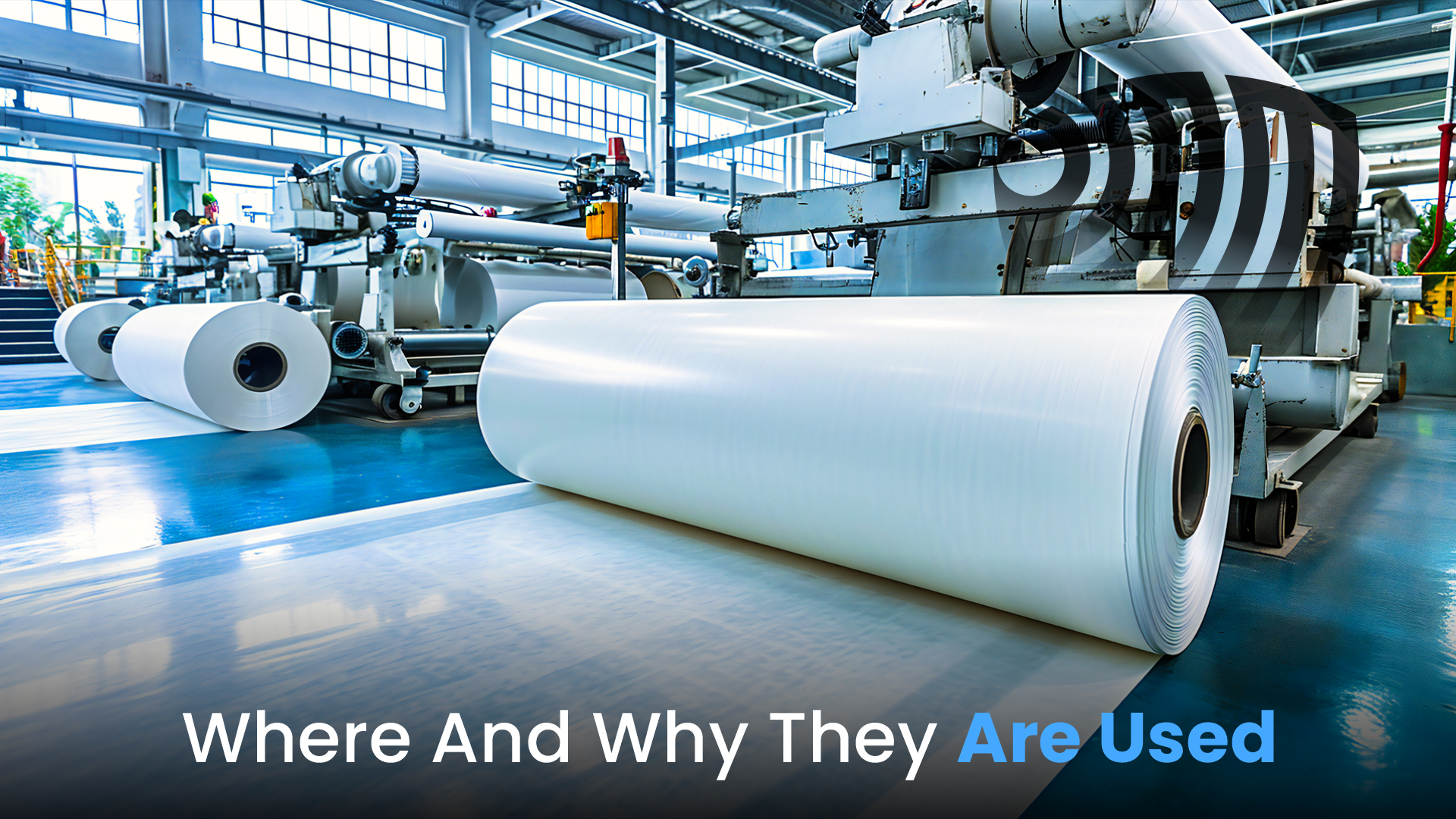
Industries are not gentle environments. As we all know things spill, machines vibrate, floors stay damp in some corners, chemicals get stored, and even dust builds up. Heavy material moves around daily and the heat, pressure, and constant use are just part of the routine. So when industries choose materials, they are not choosing based on looks or trends; they choose based on what survives.
That is why Polyplast sheets have become so common across industrial spaces. Not because people talk about them a lot, but because they quietly solve problems that factories and plants deal with every single day.
At Durasafe, Polyplast sheets are often used in projects where durability, protection, and long-term practicality matter more than anything else.
Let’s talk about where these sheets are used, and why industries keep coming back to them.
What are Polyplast sheets, in simple terms?
Polyplast sheets are industrial-grade plastic sheets designed for protection and performance. They are used as barriers, covers, liners, partitions, and surface layers in places where normal materials like wood, fabric, or even metal may not be the best fit. Some people assume plastic sheets are all the same but they are not. Industrial Polyplast sheets are made for harsh conditions. They are tougher, more resistant, and meant to last longer in demanding environments. They are flexible enough to install easily, but strong enough to handle industrial stress.
Why do industries use Polyplast sheets so widely?
Because industries face practical issues every day. They vary from ranges of water damage, chemical exposure, dust contamination and surface wear to finding temporary protection needs and storage safety. Polyplast sheets offer a simple answer to many of these.
They are commonly chosen because they provide:
- Moisture resistance
- Chemical protection
- Lightweight handling
- Long service life
- Cost-effective coverage
- Easy installation
They do not overcomplicate things; they just work.
Where Polyplast Sheets Are Actually Used
Polyplast sheets show up in more industrial applications than most people realise. Here are some of the most common ones.
1. Chemical plants and processing units
Chemical industries are one of the biggest users of protective sheeting. The environment is harsh, spills happen, vapours exist and corrosion is always a risk.
Polyplast sheets are often used in chemical plants for:
- Protective wall linings
- Floor covering layers
- Storage area shielding
- Containment support zones
The reason is simple; many Polyplast sheets resist chemical damage better than traditional materials. Metal can corrode, wood can absorb and some surfaces degrade quickly. Polyplast provides a cleaner, more resistant layer.
2. Waterproofing and moisture control in warehouses
Warehouses are not always dry, even if they look fine from outside. Moisture enters through floors, roof corners, storage zones, or even humidity buildup. That moisture can destroy packaging, damage goods, and create long-term maintenance problems.
Polyplast sheets are often used as:
- Flooring protection sheets
- Moisture barriers under stored materials
- Temporary waterproof covers
- Roofing underlayers
A simple protective layer can prevent expensive losses that is why warehouses rely on such materials quietly, without much attention.
3. Construction and infrastructure projects
Construction sites are messy. Concrete needs curing, materials need covering, foundations need barrier layers and temporary protection is constantly required.
Polyplast sheets are widely used in construction for:
- Concrete curing covers
- Dust and debris shielding
- Foundation moisture barriers
- Temporary enclosures
They are easy to transport, quick to install, and effective in preventing surface damage. Construction does not always need permanent solutions; sometimes it needs fast, strong protection, and Polyplast fits that role well.
4. Packaging and industrial transport
Industrial packaging is not like retail packaging. It is heavy-duty handling bulk products, large shipments and even rough handling.
Polyplast sheets are often used in:
- Pallet covering
- Product separation layers
- Moisture protection during transport
- Bulk material wrapping
Goods move through long supply chains and the dust, rain, friction, and impact can all cause damage. These sheets act as a protective buffer, especially for industries shipping in volume.
5. Agriculture-linked industrial use
Polyplast sheets are not limited to factories. Many industrial agricultural setups also use them because outdoor conditions require tough materials.
Common uses include:
- Greenhouse lining
- Protective covers for fertiliser storage
- Feed storage moisture protection
- Irrigation infrastructure shielding
Agriculture may look natural, but large-scale farming is industrial in its own way, and materials need to withstand sun, rain, and rough handling.
6. Waste management and containment zones
Waste containment is a serious industrial requirement. Whether it is industrial waste, temporary disposal, or hazardous material storage, protection matters.
Polyplast sheets are used for:
- Temporary lining
- Covering waste zones
- Preventing seepage
- Containment barrier layering
These are not glamorous uses, but they are extremely important for safety and compliance. Containment failures can lead to environmental damage and heavy penalties, so industries rely on strong sheeting solutions.
7. Factory partitioning and internal protection
Factories are constantly evolving. New work zones get created, machinery areas need shielding and dust control becomes necessary.
Polyplast sheets are often used for:
- Temporary partitions
- Surface protection behind machines
- Dust barrier setups
- Repair and maintenance shielding
Sometimes industries do not need permanent walls; they just need quick, adaptable separation and polyplast sheets provide that flexibility.
Why Polyplast Sheets Are Preferred Over Many Alternatives
Industries have choices. So why do Polyplast sheets stand out?
As known, they are durable without being heavy and while metal sheets can be strong, but they are heavy and expensive also the fabric covers are light, but weak. Polyplast sheets sit in the middle, strong enough to protect, light enough to handle.
They resist moisture naturally. Moisture is one of the most common industrial enemies. Polyplast sheets do not absorb water, which makes them valuable in storage and waterproofing roles.
They handle harsh environments better. Industrial spaces are not controlled like homes. Heat, chemicals, abrasion, outdoor exposure, all of it matters and our polyplast sheets are designed for such realities.
They save cost in the long run. Industries think in scale. So, if you need protection over thousands of square feet, cost matters. Polyplast sheets provide practical coverage without requiring heavy construction or constant replacement.
Why Durasafe Polyplast Sheets?
At Durasafe, Polyplast sheets are manufactured with industrial performance in mind.
We focus on:
- Consistent material quality
- Reliable thickness options
- Industrial-grade durability
- Applications across sectors like construction, chemical, agriculture, and infrastructure
Our aim is not just to sell sheets. It is to provide industries with materials that reduce problems, protect assets, and last under pressure because in industrial environments, weak materials do not survive long.
Polyplast sheets may not be the most talked-about industrial product, but they are one of the most widely used for a reason. They protect surfaces, prevent moisture damage, support containment, and provide flexible solutions in demanding environments. From chemical plants to warehouses, from construction sites to waste management zones, Polyplast sheets quietly play a role in making industrial operations safer and more efficient. Industries don’t choose them for style, they choose them for reliability and that is exactly why their use keeps growing.