
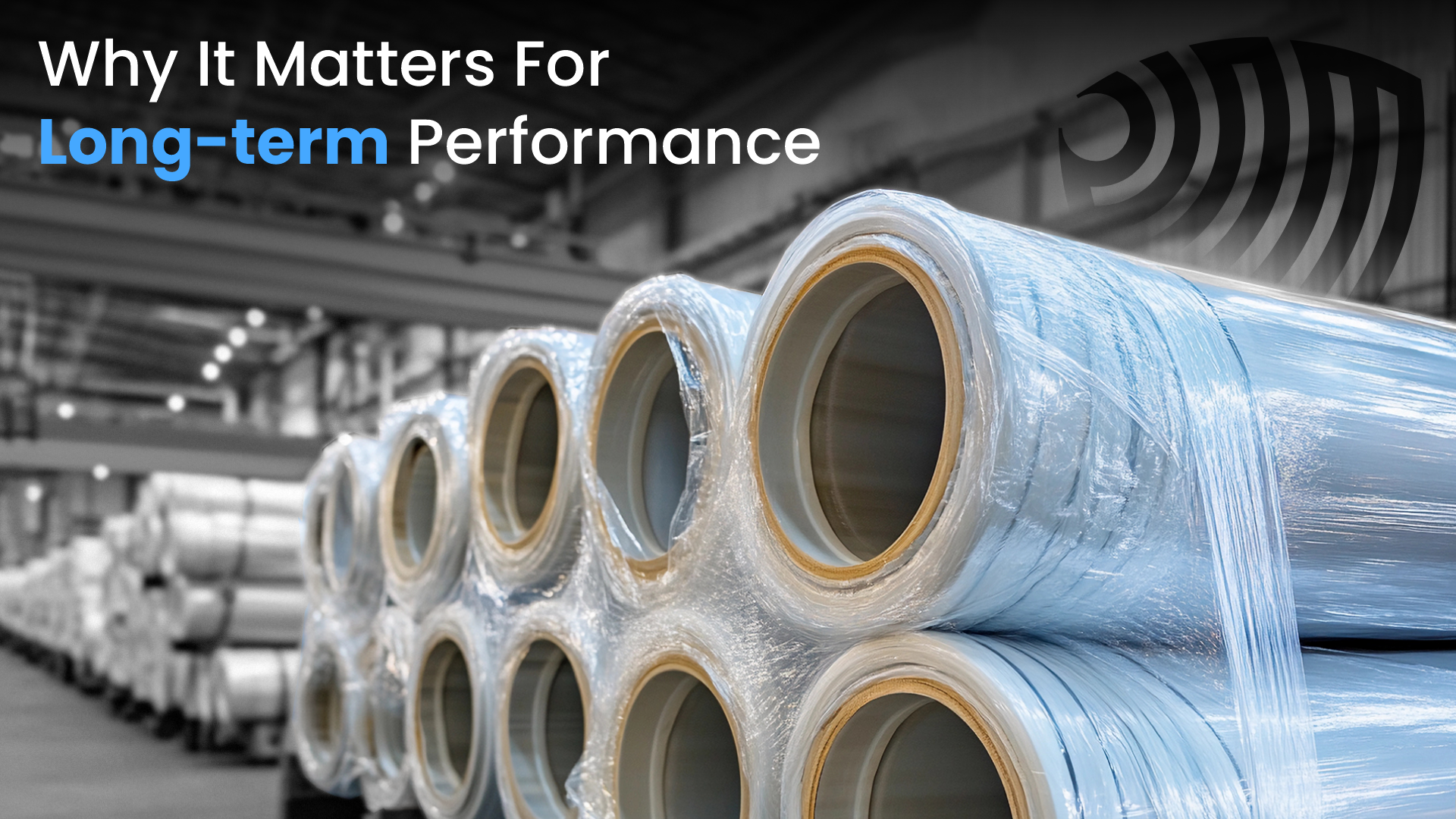
In agriculture, exposure is constant as crops face sunlight, storage areas face heat and transportation vehicles face long hours under harsh UV radiation. Yet, one of the most overlooked elements in agricultural logistics is how packaging performs under those same conditions. For brands investing in shrinkable film packaging, UV protection is not a luxury feature, it is a performance necessity. Whether it is agricultural shrink film used for crop bundling or shrink packaging for farmers handling harvest transportation, UV durability directly determines how well the packaging protects the produce inside.
UV Degradation in Plastic Films
Plastic films exposed to sunlight undergo photodegradation and over time, these UV rays break down polymer chains, resulting in:
- Brittleness
- Discoloration
- Loss of tensile strength
- Reduced elasticity
- Premature tearing
For plastic shrink film for farming, this can mean compromised protection during peak harvest season, exactly when farmers need reliability the most. Without proper UV stabilizers, even high-quality films can fail before reaching market destinations.
Why UV Protection Is Critical for Agricultural Applications
1. Longer Field Exposure During Harvest
Farmers often use shrink wrap for agricultural produce directly in fields. Bundled crops may remain exposed to sunlight for hours or even days before transportation. UV-protected films:
- Maintain structural integrity
- Prevent micro-cracks
- Preserve load stability
- Reduce risk of moisture intrusion
For shrink wrap film for crop transportation, this ensures produce remains secure from farm to mandi to retail.
2. Transportation Under Direct Sunlight
Crop transportation in India is often happening in open trucks or vehicles with partial coverage. During summers, the surface temperatures rises drastically. Without UV-resistant packaging film for fruits and vegetables, films may weaken mid-transit, causing:
- Load collapse
- Fruit bruising
- Increased spoilage
- Economic losses
For buyers that are searching for shrinkable film packaging for farmers in India, UV performance becomes a very important factor.
3. Reduced Waste and Better Sustainability
Frequent breakage of film leads to rewrapping, excess use of material and higher plastic waste. UV-stabilized packaging solutions reduces the need of such replacement and minimizes packaging waste across the supply chain. Here durability is all about sustainability.
How UV-Stabilized Shrink Films Work
Modern agricultural packaging film manufacturers incorporate UV absorbers and stabilizers into the polymer matrix during production. These absorbers added to the mix:
- Absorb UV radiation
- Convert it into low-level heat
- Prevent polymer chain breakdown
- Extend service life
This ensures the shrink film for harvest to market protection maintains elasticity and clarity even after prolonged exposure. High-performance films can be engineered to last 6 months, 12 months, or longer depending on agricultural requirements.
Impact on Quality
UV-resistant films protect the outer layer and produce the most. Proper shrink packaging for farmers ensures:
- Retention of moisture
- Protection against dust
- Improved shelf life
In fruits and vegetables having a compromised packaging can lead to faster ripening, bruising, rotting and microbial growth. Reliable packaging film for fruits and vegetables ensures consistent market presentation and reduced losses after the harvest.
Economic Benefits for Farmers & Distributors
UV durability is correlated with financial stability. When farmers invest in high-quality plastic shrink film for farming, they benefit from:
- Lower replacement costs
- Fewer damaged shipments
- Improved load stability
- Better resale value at markets
- Reduced rejection rates
For distributors who are evaluating shrinkable film packaging for farmers in India, the long-term cost efficiency overrules the short-term price differences and while cheaper films without UV stabilization may appear affordable initially, but its failure increases operational expenses.
Climate Considerations in Indian Agriculture
India’s agricultural zones face intense sunlight across most seasons. States with high solar radiation demand packaging that can withstand extended UV exposure. A dependable agricultural shrink film must be designed for:
- High-temperature resistance
- UV stability
- Tear resistance
- Elastic recovery
- Weather adaptability
For companies that are looking for a trusted agricultural packaging film manufacturer, someone who has technical expertise in UV stabilization becomes a key differentiator.
Choosing UV-Protected Shrink Film
When evaluating suppliers, these pointers are kept into consider:
- UV stabilization period rating
- Film thickness consistency
- Tensile strength performance
- Clarity retention
- Environmental compliance
For bulk buyers seeking shrink wrap film for crop transportation, working with an experienced manufacturer ensures films are tailored to crop type, regional climate, and storage duration.
Long-Term Performance Defines Brand Reliability
In agricultural supply chains, performance is visible. If packaging fails, the entire value chain suffers right from farmer to wholesaler to retailer. High-quality shrinkable film packaging with UV protection strengthens:
- Operational efficiency
- Crop safety
- Market reputation
- Customer trust
For Durasafe, delivering advanced farm produce packaging solutions means producing films that endure real-world conditions, not just laboratory tests. Because in agriculture, durability is a must and it determines whether produce reaches the market protected or compromised.